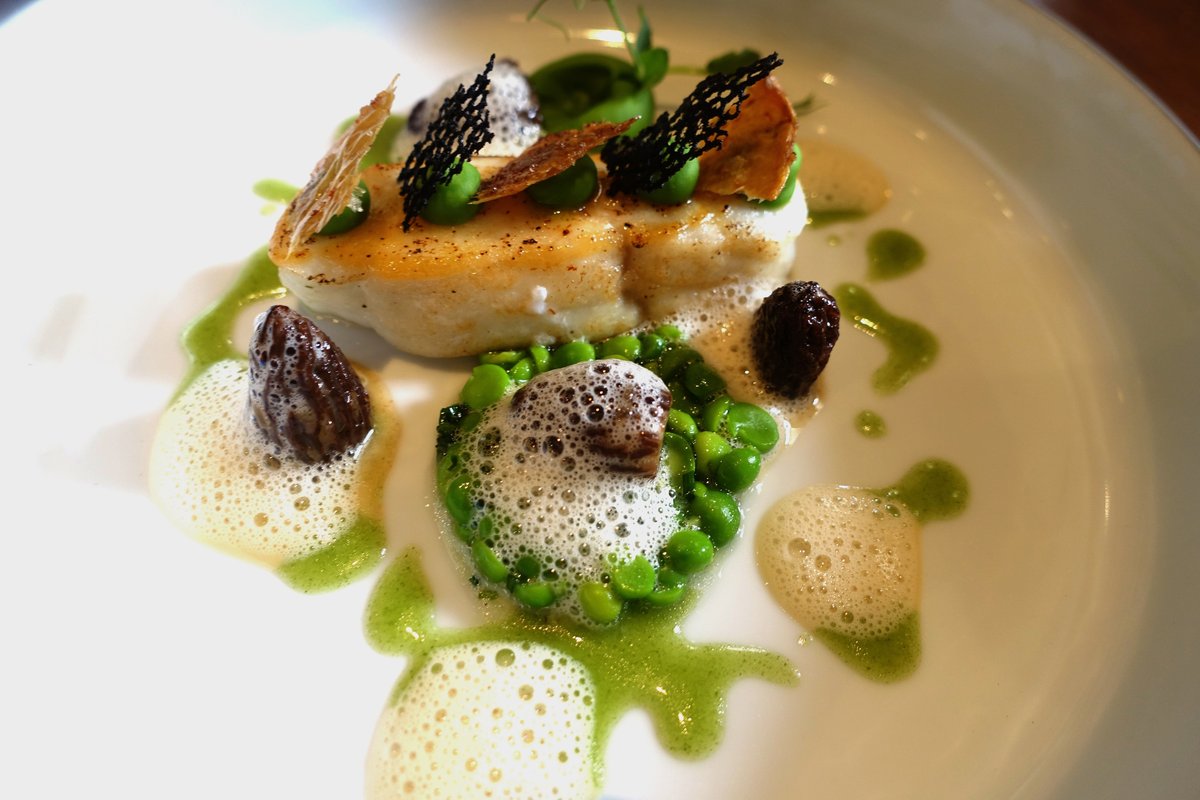
Forget one-size-fits-all diets and the hurried scramble for sustenance. The future of eating, and indeed, a more satisfying present, lies in Meal-Specific Dining—a thoughtful, intentional approach to tailoring your food choices and dining experiences to optimize for health, well-being, and sheer enjoyment. It's about moving beyond simply "eating" to consciously designing your nutritional intake and the rituals around it, ensuring every bite serves a purpose, whether it's fueling peak performance, aiding recovery, managing a health condition, or simply savoring a moment. This isn't just a trend; it's a fundamental shift towards understanding how what, when, and where you eat profoundly impacts your entire life.
At a Glance: The Power of Purposeful Plates
- Personalized Nutrition: Tailoring food to individual health needs, preferences, and goals.
- Enhanced Well-being: Preventing malnutrition, supporting recovery, and boosting mood.
- Mindful Experiences: Creating positive, engaging dining environments that foster social connection.
- Operational Excellence: Leveraging expert input and technology for seamless execution.
- Flexibility & Focus: Understanding the merits of both continuous and dedicated dining settings.
- Sustainability: Embracing local sourcing and waste reduction for a healthier planet.
Beyond the Buffet: What is Meal-Specific Dining, Really?
At its heart, Meal-Specific Dining isn't about rigid rules; it's about intelligent design. It’s the strategic decision to align food choices, preparation methods, and even the dining environment with a particular outcome or need. Think of it less as a diet and more as a dynamic culinary strategy.
Consider a professional athlete whose breakfast is meticulously designed for sustained energy, their post-workout lunch for muscle repair, and their dinner for recovery and sleep optimization. Or a senior living resident, where every meal is carefully curated to prevent malnutrition, accommodate swallowing difficulties, and transform dining into a joyful, social event. It’s about recognizing that the nutritional and experiential demands of an early morning start differ vastly from a leisurely evening meal, or a mid-day refuel. This precision-driven approach elevates eating from a basic necessity to a powerful tool for achieving specific health, performance, and lifestyle objectives.
Why Precision Plates Matter: The Health & Wellness Imperative
The days of generic meal plans are waning, replaced by a deep understanding that individualized nutrition is paramount. When we talk about Meal-Specific Dining, we're talking about tangible benefits that resonate from a care home setting to an executive boardroom.
Preventing Malnutrition & Dehydration
One of the most critical aspects, especially for vulnerable populations like seniors, is preventing malnutrition and dehydration. In residential care, up to 85% of residents can be affected by these issues, which directly increase hospitalizations and slow recovery. Meal-Specific Dining addresses this head-on by creating personalized plans that ensure adequate caloric, protein, and fluid intake, often tailored to specific medical histories and health statuses. It's about making every calorie count and ensuring hydration is actively managed, not just offered.
Supporting Specific Health Conditions
Meal-Specific Dining is particularly vital for individuals with unique nutritional and safety needs. This includes:
- Texture-Modified Diets: For those with swallowing disorders (dysphagia), options like pureed or minced foods are crucial to prevent choking hazards, ensuring both safety and adequate intake.
- Therapeutic Diets: For conditions like diabetes, kidney disease, or heart disease, meals are designed to manage blood sugar, sodium, or other key nutrients, significantly impacting health outcomes.
- Allergy Management: Rigorous protocols and clear communication about allergens are built into the system, preventing dangerous reactions.
- Dignity & Choice: Beyond clinical needs, offering meal-specific choices respects individual autonomy, fostering dignity and enhancing the overall dining experience, even for those with complex health profiles.
Cognitive and Emotional Well-being
Food isn't just fuel; it's a social and emotional anchor. A positive dining atmosphere can combat loneliness, foster friendships, and build vital support networks. For example, communal dining experiences, particularly with adequate caregiver ratios (like 3:1), can enrich social interactions, stimulate cognitive activity through conversation, and elevate mood. When meals are specific to not just physical needs but also social and psychological ones, they become powerful tools for holistic well-being. The enjoyment derived from a meal tailored to your preferences, shared in a pleasant environment, significantly contributes to mental and emotional health.
Energy Levels & Productivity
For anyone, from students to busy professionals, Meal-Specific Dining can revolutionize daily energy and productivity. Imagine optimizing your breakfast for sustained mental clarity during a demanding morning or crafting a lunch that avoids the dreaded afternoon slump. This deliberate approach considers the timing of macronutrients, the glycemic index of foods, and individual metabolic responses, turning every meal into a strategic advantage for sustained focus and vitality throughout the day.
The Art of Personalization: Crafting Your Culinary Blueprint
Creating truly meal-specific experiences requires more than just knowing what someone likes; it demands a comprehensive, empathetic approach to understanding their entire context.
Assessing Your Needs: The Foundation
The first step in personalization is a thorough assessment. This goes beyond simple preferences and delves into:
- Medical History & Health Status: Any chronic conditions, recent surgeries, medications, or health goals (e.g., weight management, muscle gain, blood sugar control).
- Dietary Restrictions: Allergies (e.g., gluten, nuts, dairy), intolerances, or conditions like celiac disease.
- Lifestyle Choices: Plant-based, vegetarian, vegan, ketogenic, or specific cultural and religious dietary laws.
- Personal & Cultural Preferences: What foods genuinely bring joy? What are comfort foods? What cultural dishes are essential? Empowering individuals to choose dishes and incorporating these preferences enriches mealtime immensely.
The Role of Experts: Your Culinary Guides
While self-assessment is a great start, professional guidance is often invaluable. Registered dietitians and healthcare providers play a crucial role in:
- Nutritional Assessment: Analyzing specific macro and micronutrient needs.
- Therapeutic Meal Planning: Designing meals that support specific health conditions while remaining appealing.
- Allergy & Safety Management: Ensuring all meals are safe and free from contaminants.
- Regular Re-evaluation: Health needs change, so regularly re-evaluating meal plans ensures they remain aligned with evolving health status. Collaboration here is key to supporting overall health goals.
Empowering Choice: Ownership Over Your Plate
True personalization isn't just about what's given to you; it's about what you choose. Involving individuals in menu planning boosts satisfaction, nutritional intake, and a sense of independence. This can be achieved through:
- Direct Feedback Mechanisms: Surveys, comment cards, one-on-one discussions, or even dedicated food committees allow for tailored meals based on real-time input.
- Choice & Control: Offering a variety of options within dietary guidelines enhances autonomy, leading to healthier choices and a better quality of life. Even seemingly small choices, like which side dish to have, make a big difference.
Designing the Experience: More Than Just Food on a Plate
Meal-Specific Dining extends beyond the plate to the entire environment, recognizing that how and where you eat is just as important as what you eat.
Atmosphere & Ambiance: Setting the Scene
A welcoming, restaurant-style dining environment encourages social interaction and enhances the overall experience. Think about the impact of lighting, comfortable seating, and pleasant decor. It transforms eating from a utilitarian act into an enjoyable ritual. From the vibrant energy of the best Sedona breakfast spots to the refined elegance of a dinner setting, the ambiance significantly shapes perception and enjoyment.
Social Connection: The Human Ingredient
Communal dining experiences are proven to combat loneliness and foster friendships. This is particularly evident in shared settings where engaging in conversations stimulates cognitive activity, enhancing memory and elevating mood. Even for individuals eating alone, a thoughtful, aesthetically pleasing setup can elevate the experience, making it feel less isolating.
Operational Excellence: The Backbone of Quality
Behind every great dining experience is a solid operational framework. This includes:
- Staff Training: Regular, comprehensive training guarantees compliance with dietary protocols, enhances meal handling safety, and cultivates compassionate care.
- Accountability: Clear roles and responsibilities improve consistency and quality.
- Technology Integration: Tools like eMenuCHOICE streamline meal ordering, track dietary restrictions, and minimize errors, particularly in large-scale operations. This ensures that the right meal gets to the right person, every time.
- Flexible Schedules: While dedicated meal times have their place, offering some flexibility in mealtime schedules can significantly enhance the experience, accommodating individual rhythms and preferences.
Flexibility vs. Focus: All-Day Lounges vs. Dedicated Spaces
A critical consideration in designing dining experiences, particularly in hospitality or communal living, is the balance between continuous service and focused meal times.
The All-Day Dining Lounge: Convenience and Adaptability
An all-day dining lounge offers continuous service in a relaxed, multi-functional setting. This model caters to varied schedules, appealing to modern travelers or busy individuals who value convenience—whether it's an early morning coffee, a flexible space for afternoon work, or late-night snacks.
- Benefits: High flexibility, continuous revenue streams, efficient staffing across long hours, and a relaxed, multi-purpose environment that adapts throughout the day.
- Challenges: The risk of feeling generic, maintaining consistent atmosphere and service quality over extended periods, and the potential for a less "specialized" feel compared to dedicated venues. While convenient, it might not offer the curated experience of a top lunch restaurant.
Dedicated Meal-Time Spaces: Curated Journeys and Exclusivity
In contrast, dedicated meal-time spaces provide clearly defined experiences tailored to specific times of day. Think of a vibrant breakfast room, an intimate fine dining restaurant, or a specialty cafe. This approach is ideal when curated dining journeys and exclusivity are key.
- Benefits: Allows for strong thematic cohesion, a focused visual language, and sensory experience. It enables crafting memorable narratives and rituals, elevating brand exclusivity. This is where experiences like a Sedona fine dining dinner truly shine.
- Challenges: Demands larger staffing for peak periods, higher maintenance costs for multiple distinct venues, and precise demand forecasting to avoid underutilization outside service hours. The trade-off for focus is often efficiency.
Making the Right Choice: Aligning with Your Needs
The decision between these models depends on your operational rhythm, guest expectations, and brand personality. All-day lounges prioritize flexibility, sociability, and continuous engagement, perfect for fast-paced lifestyles or travelers prioritizing accessibility. Dedicated spaces deliver refined, high-impact experiences, elevating memorability and thematic consistency. The success lies in aligning the dining design with the ideal experience you wish to create for yourself or your patrons.
From Plate to Planet: Sustainable and Ethical Choices
Meal-Specific Dining isn't just about individual well-being; it increasingly incorporates a broader commitment to planetary health. Sustainable practices are no longer a luxury but an expectation.
Local Sourcing & Seasonal Ingredients
Prioritizing locally sourced and seasonal ingredients reduces the carbon footprint associated with transportation, supports local economies, and often results in fresher, more flavorful food. This aligns perfectly with a meal-specific approach, as it emphasizes quality and provenance.
Reducing Food Waste
A significant challenge in food service, food waste can be substantially reduced through thoughtful menu planning and precise portion control—hallmarks of Meal-Specific Dining. Engaging residents in menu development, for instance, boosts satisfaction and minimizes discarded plates because they've had a say in what's served. Implementing clear feedback loops and adjusting menus based on what's consumed (or not) is crucial.
Ethical Sourcing
Considering the ethical implications of food choices, such as fair trade practices, humane animal treatment, and responsible fishing, adds another layer of purpose to meal planning. This resonates with a growing number of individuals who seek to align their dining habits with their values.
Navigating the Nuances: Practical Tips for Implementing Meal-Specific Dining
Ready to make your meals more meaningful? Here’s how to transition towards a more meal-specific approach, whether for yourself or a larger community.
Start Small, Iterate Often
Don't overhaul your entire eating routine overnight. Begin by focusing on one meal, perhaps breakfast, and optimize it for your morning energy needs. Once you've mastered that, move on to lunch or dinner. Gradual changes are more sustainable than drastic ones. For institutions, trial menus and tasting events can gather feedback before full implementation.
Communication is Key
Whether you're communicating your dietary needs to a chef or gathering feedback from diners, clear, open communication is paramount. Establish routine monitoring, transparent communication channels, and effective feedback loops (e.g., comment cards, advisory panels) to ensure compliance and adaptation. This iterative process allows for continuous improvement and keeps plans aligned with evolving needs and preferences.
Leverage Technology
From apps that track your nutritional intake to sophisticated eMenuCHOICE systems in large facilities, technology can simplify the complexity of meal-specific planning. These tools can help manage allergies, track therapeutic diets, and provide data-driven insights into consumption patterns.
Build Your Team of Experts
For complex needs, don't hesitate to consult registered dietitians, nutritionists, or healthcare providers. Their expertise can ensure your meal plans are not only effective but also safe and sustainable in the long term. For organizations, collaborating with dietitians is essential to address malnutrition and hydration comprehensively.
Embrace the "Food as Medicine" Concept
Integrate this philosophy into your meal planning. View each meal as an opportunity to support your health goals, manage conditions, and enhance your vitality. This mindset shift empowers you to make intentional choices every time you eat.
Common Questions & Misconceptions About Meal-Specific Dining
It's natural to have questions when approaching a new concept. Let's tackle some common ones.
Is Meal-Specific Dining Only for People with Health Conditions?
Absolutely not. While it's incredibly beneficial for those with specific health needs, Meal-Specific Dining is equally powerful for anyone looking to optimize their energy, improve focus, manage weight, enhance athletic performance, or simply enjoy food more mindfully. It's about proactive health and purposeful eating for everyone.
Does it Limit Enjoyment or Feel Restrictive?
Quite the opposite. While it requires intentionality, Meal-Specific Dining, when done well, enhances enjoyment. By focusing on your preferences, cultural tastes, and what truly makes you feel good, you eliminate foods that don't serve you and elevate those that do. It’s about quality over quantity, and thoughtful choices over mindless consumption. It leads to greater satisfaction because the food truly aligns with your body's needs and your personal desires.
Is It Expensive or Time-Consuming?
It doesn't have to be. While some personalized services can be premium, the core principles can be applied on any budget. Meal prepping, smart grocery shopping, and focusing on whole, unprocessed foods can actually save money in the long run. As for time, initial planning takes effort, but once routines are established, it often streamlines your life, reducing decision fatigue and improving efficiency. Leveraging simple recipes and batch cooking are excellent strategies.
Your Journey to Purposeful Plates
Meal-Specific Dining is more than just a culinary strategy; it's a philosophy that empowers you to take control of your health, well-being, and enjoyment of life. By consciously tailoring what, when, and how you eat to your unique needs and goals, you unlock a powerful synergy between food and life. It's about moving from simply consuming calories to curating experiences, from addressing deficiencies to celebrating vitality. Start small, be consistent, and listen to your body—it knows best. The plate before you isn't just a meal; it's an opportunity for enhanced health and profound satisfaction.