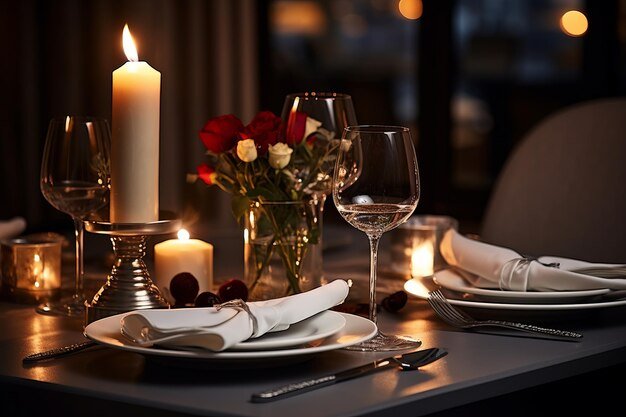
Forget for a moment the plate in front of you. Yes, the food matters—immensely. But the truly unforgettable meals, the ones that linger in your memory long after the last bite, are almost never just about the perfectly cooked steak or the impeccably plated dessert. They’re about the entire Dining Experience & Ambiance, a symphony of sensory inputs, human connection, and subtle cues that elevate eating from a biological necessity to a profound event.
As a seasoned observer of the culinary world, I’ve seen firsthand how a restaurant's soul is woven into its very fabric, far beyond its kitchen doors. From the moment you step inside until you reluctantly leave, every element is designed to craft a narrative, stir emotions, and create lasting memories. It's a craft that combines art, psychology, and meticulous planning to ensure your palate is just one of many senses completely captivated.
At a Glance: Crafting Memorable Dining
- Ambiance is Everything: Lighting, music, aroma, and design set the mood before the food arrives.
- Service is Connection: More than efficiency, it's personalized, intuitive interaction.
- Storytelling Adds Depth: Narratives about dishes, origins, or rituals transform a meal.
- Engage All Senses: Sight, sound, touch, smell, and taste converge for a richer experience.
- Surprise & Delight: Unexpected touches create moments of pure joy and memorability.
- Context Matters: Location and time influence the emotional resonance of your meal.
- Shareable Moments: Authentically designed experiences encourage organic memory-making and sharing.
- Detail-Oriented: From linen to glassware, every small choice contributes to the overall impression.
The Heart of the Meal: Beyond the Plate
In an era where culinary innovation continually pushes boundaries, the discerning diner is looking for more than just sustenance. They seek immersion, connection, and a departure from the ordinary. The true artistry of dining lies in orchestrating these elements into a cohesive whole, transforming a simple meal into an evocative journey. This journey begins long before the first forkful, anchored firmly in the environment and the interactions that surround it.
Imagine a restaurant as a theater, where the food is the star performer, but the ambiance is the stage, the service the attentive ushers, and the storytelling the compelling script. When these components align perfectly, you don't just eat; you participate in an event. This holistic approach is what separates a good meal from an extraordinary one, etching it into your personal culinary history.
Crafting the Canvas: The Power of Ambiance
The moment you cross the threshold of a restaurant, you're not just entering a space; you're stepping into an atmosphere. This atmosphere, or ambiance, is a meticulously constructed environment designed to prime your senses and set the emotional tone for your meal. It's the silent narrator of your dining experience, speaking volumes before a single word is exchanged or a menu is opened.
Think about the subtle manipulation of lighting. Dim, warm lighting often signals romance and intimacy, inviting hushed conversations and lingering gazes, much like the soft glow you might find in Romantic Sedona Restaurants with Views. Conversely, bright, energetic lighting might encourage a quicker pace, suitable for a bustling lunch spot or a vibrant cafe. The interplay of light and shadow can dramatically alter perceptions of space and time.
Then there's the music. A curated playlist isn't just background noise; it's a carefully chosen soundtrack. It should complement the restaurant's identity without ever intruding on conversation. Upbeat jazz might energize a brunch, while classical piano could lend sophistication to a fine dining establishment. Silence, too, can be a powerful element, reserved for spaces where the clinking of cutlery and quiet murmur of conversation become their own symphony.
Layout and design play a critical role in guiding the diner's journey. From the spacing of tables to the texture of the walls, every choice impacts comfort and intimacy. Imagine bespoke cutlery that feels just right in your hand, or a surprisingly elegant restroom that continues the design narrative. These details, often overlooked, contribute significantly to the overall perception of quality and thoughtfulness. Even the subtle aromas wafting from an open kitchen or from fresh floral arrangements can influence appetite and mood, subtly enhancing your anticipation.
The Human Connection: Service that Sings
Beyond efficient order-taking and plate delivery, truly exceptional service focuses on forging a personal connection. This isn't about obsequiousness; it's about genuine hospitality, an intuitive understanding of a diner's needs, and an ability to anticipate desires before they're even voiced.
It starts with a warm, genuine welcome. A server who greets you with a sincere smile and makes you feel immediately at home sets a positive tone for the entire meal. This goes beyond rote pleasantries; it's about making eye contact and acknowledging your presence as a valued guest.
Timeliness and intuition are paramount. A great server knows when to approach the table and when to recede into the background. They understand the rhythm of a conversation and won't interrupt a pivotal moment. They might notice your water glass is low before you do, or bring another round of drinks just as the current ones are finishing, all without being intrusive.
Personalized recommendations elevate the experience. When a server remembers your favorite drink from a previous visit, or suggests a dish perfectly tailored to your stated preferences, it feels incredibly attentive. Celebrating a birthday with a small, unexpected dessert, complete with a personal message, transforms a meal into a cherished memory. This isn't just good service; it's about making you feel seen and valued, turning a transactional exchange into a relational one.
More Than a Meal: Storytelling & Rituals
Food, at its heart, is a cultural artifact. When a restaurant embraces storytelling, it transforms a meal from simple sustenance into a meaningful narrative, imbuing it with history, passion, and purpose. This enriches your understanding and appreciation of every dish.
Think of a chef who visits your table to share the origin story of a particular ingredient, perhaps explaining how it was sourced from a local farm or how a specific family recipe has been passed down through generations. This kind of personal narrative adds a layer of depth that pre-packaged descriptions simply cannot match. It connects you directly to the hands that prepared your food and the soil from which it came.
Some restaurants might offer cultural explanations on their menus, detailing the traditions behind certain dishes or the regional significance of ingredients. This educational aspect not only broadens your culinary horizons but also fosters a deeper respect for the cuisine.
Even the sequence of dishes can form a deliberate narrative, with each course building upon the last, leading to a crescendo of flavors and textures. This structured progression turns the meal into a journey rather than a series of disconnected plates. Furthermore, small rituals can create lasting impressions – perhaps a server lighting a candle just before dessert arrives, or a special farewell tea service that marks the conclusion of your dining experience. These deliberate acts add a sense of ceremony and significance, making the meal feel special and intentional.
Engaging Every Sense: Multi-Sensory Moments
While taste is undeniably central to dining, truly remarkable experiences engage all five senses, creating a symphony that amplifies enjoyment and leaves a more profound impact. When each sense is intentionally stimulated, the meal becomes an immersive event rather than a singular act of eating.
- Sight: The artistic presentation of a dish is often the first thing that captivates you. Vibrant colors, intricate garnishes, and creative plating turn food into edible art. Beyond the plate, the restaurant's interior design, from the art on the walls to the flow of the space, constantly feeds your visual appetite. Even something as simple as the curated design of the establishment, much like what you'd find at Sedona's best family restaurants, enhances the overall visual appeal for everyone at the table.
- Sound: The curated playlist, as mentioned, is key, but so is the ambient noise. The gentle clinking of glasses, the murmur of happy conversation, or even the rhythmic hum of an open kitchen can contribute to a pleasant soundscape. Some high-end establishments even employ "soundscape designers" to craft specific auditory environments that subtly enhance the perception of taste.
- Touch: This sense is engaged in numerous, often unconscious, ways. The crispness of a freshly laundered napkin, the weight and texture of quality cutlery, the coolness of a well-made glass, or even the tactile experience of a thoughtfully designed menu all contribute to the overall feeling of refinement and comfort.
- Smell: Aroma is intrinsically linked to taste. The enticing scent of freshly baked bread, the fragrant steam rising from a hot dish, or the deliberate release of a specific aroma at the table (think of a smoking cloche or an aromatic garnish) can profoundly influence flavor perception. Some restaurants even work with "aroma designers" to enhance the olfactory journey.
- Taste: This is, of course, the grand finale, the core purpose. But taste itself is complex – a blend of basic flavors, textures, and the interplay of all the other senses. When vision, sound, touch, and smell are harmonized, the pure taste of the food is perceived as even more exquisite and nuanced.
The Element of Delight: Surprises & Joy
The human brain loves novelty and unexpected pleasure. Restaurants that master the art of "surprise and delight" create genuinely memorable moments that are often shared and savored long after the meal. These thoughtful touches elevate the experience from merely enjoyable to truly extraordinary.
Imagine being presented with a complimentary amuse-bouche—a tiny, exquisite bite designed to tantalize your palate before the meal officially begins. It's a gracious gesture that signals generosity and culinary flair. Or perhaps a dish arrives with an unexpected ingredient that provides a delightful burst of flavor or texture you hadn't anticipated.
These surprises can also be personal. A small, handwritten note from the chef, perhaps acknowledging a special occasion mentioned in your reservation, adds an incredibly human touch. A personal message discreetly written in chocolate on your dessert plate or a mini "just to try" dish offered spontaneously by the server can make you feel uniquely appreciated. Some establishments even offer a brief, informal kitchen tour, providing a fascinating glimpse behind the scenes and forging a direct connection to the culinary magic. These unexpected gestures often become the stories you tell your friends, cementing the restaurant's place in your memory.
Setting the Scene: Location & Time
The external context of a dining experience – its location and the time of day – can profoundly amplify its emotional resonance. A meal isn't just consumed within four walls; it’s framed by its surroundings, and smart restaurateurs capitalize on this.
Consider the sheer joy of a sun-drenched lunch by the ocean after a refreshing swim, the salty air enhancing every bite. Or a romantic dinner on a rooftop terrace as the sun dips below the horizon, painting the sky with fiery hues. These experiences leverage natural elements to create an unparalleled backdrop. Imagine finding Sedona outdoor dining with dogs where your furry friend can join you, making the environment even more special and inclusive.
Successful restaurants carefully plan their menus and settings to harmonize with these natural cues. A seafood restaurant on the coast might offer light, refreshing dishes perfect for a warm afternoon, while a cozy mountain lodge would lean into hearty, comforting fare ideal for a crisp evening. Flexibility in booking times can also cater to guests who wish to maximize these external factors, perhaps allowing for a pre-sunset arrival to enjoy the views before dinner truly begins. The integration of the outside world into the dining room, whether through expansive windows or al fresco seating, blurs the line between dining space and natural environment, enriching the overall sensation.
Making Memories: Shareable Moments
In today's visually driven world, the creation of "Instagrammable" moments is undeniably a factor, but the goal should always be authenticity, not gimmickry. The best dining experiences are designed to naturally encourage organic content creation and sharing because they are genuinely beautiful, intriguing, or delightful.
Think of a visually stunning dessert presented with a flourish, a dramatic cocktail with an unexpected element, or a uniquely designed interior that begs to be photographed. These elements are not just for show; they are integral to the aesthetic and narrative of the restaurant. When guests feel compelled to capture and share their experience, it's a testament to the restaurant's success in creating something truly special and memorable.
The key is balance. The desire to create shareable moments should never overshadow the quality of the food or the integrity of the service. When something is authentically beautiful or surprisingly delightful, people will naturally want to share it. It's about designing an experience that is so captivating it inherently invites conversation, photography, and storytelling, transforming guests into enthusiastic ambassadors.
Defining Your Desired Vibe: Fine Dining vs. Casual
The world of dining offers a vast spectrum of experiences, broadly categorized into fine dining and casual dining. Understanding the distinctions helps both diners choose their ideal setting and restaurateurs craft their specific niche.
Fine Dining: The Art of Elevated Experience
Fine dining is the epitome of culinary sophistication, a carefully orchestrated performance where every detail is perfected. It's characterized by:
- Exceptional Cuisine: Often featuring intricate preparations, rare or exotic ingredients, and highly artistic presentation. Dishes are not merely food; they are culinary masterpieces.
- Impeccable Service: Highly attentive, knowledgeable, and discreet staff anticipate needs with grace and precision. There’s often a ballet of service, with multiple courses, wine pairings, and a deep understanding of etiquette.
- Elegant Ambiance: The setting is formal and luxurious, with crisp white tablecloths, fine porcelain, polished silverware, and delicate stemware. Lighting is often subdued, and background music is typically classical or subtle jazz, maintaining a sophisticated atmosphere.
- Refined Menu: Menus are typically curated, often offering prix fixe options or tasting menus that showcase the chef's vision. Extensive wine lists, guided by a sommelier, are standard.
- Dress Code: A more formal dress code is usually expected, adding to the sense of occasion.
Fine dining is an investment in an experience, a journey into culinary artistry and refined hospitality.
Casual Dining: Comfort, Connection, and Approachability
Casual dining, while less formal, is no less dedicated to a great experience. Its focus shifts to comfort, accessibility, and a relaxed atmosphere. Key characteristics include:
- Comfort-Focused Cuisine: Dishes are often familiar, hearty, and emphasize fresh, quality ingredients. Presentation is appealing but less overtly artistic than in fine dining.
- Friendly Service: Approachable and efficient, focusing on making guests feel welcome and at ease. The interaction is often more direct and less formal.
- Relaxed Ambiance: The decor is typically simpler, aiming for a cozy, inviting, and often lively atmosphere. Lighting is usually brighter, and music can be more varied and upbeat.
- Flexible Menu: Menus are generally broader, offering more choices, and are designed for everyday enjoyment. Drink options are diverse, often including local beers and approachable wines.
- Casual Dress: No strict dress code, encouraging guests to come as they are and feel comfortable.
Casual dining is about enjoying good food in a relaxed, social setting, perfect for everyday meals or gatherings with friends and family. Both fine and casual dining aim for memorable experiences; they simply achieve it through different expressions of atmosphere, service, and cuisine.
The Pillars of a Great Experience: What Truly Matters
Regardless of whether you're in a Michelin-starred restaurant or a beloved neighborhood bistro, certain foundational elements are universally critical to a truly positive dining experience.
Masterful Cuisine
At its core, great dining starts with great food. This means:
- High-Quality, Fresh Ingredients: Emphasizing locally sourced produce, ethically raised meats, and fresh seafood. The quality of raw materials is non-negotiable.
- Expert Preparation: Dishes that are cooked with skill, precision, and passion, showcasing both technique and flavor balance.
- Artistic Presentation: Food that looks as good as it tastes. Creative plating, thoughtful garnishes, and vibrant colors elevate the appeal.
- Transparency: Clear information regarding allergens, dietary restrictions, and ingredient sourcing, demonstrating care and responsibility.
Unwavering Attention to Detail
The small things often make the biggest difference, signaling a restaurant's commitment to excellence:
- Immaculate Setting: Clean linens, polished glassware, quality cutlery, and a tidy environment create an impression of care.
- Curated Offerings: A thoughtfully selected wine list that complements the menu, unique cocktail creations, and perhaps a special bread service.
- Cohesive Concept: A clear theme or concept that ties together the decor, menu, and service, creating a unique and memorable identity. From the moment you enter to the moment you leave, the experience feels intentional.
The Joy of Company & Connection
Dining is inherently a social act, and a great experience fosters this connection:
- Good Conversation: An atmosphere that encourages engaging dialogue without excessive noise or distraction.
- Social Opportunities: Communal tables or a vibrant bar area can provide opportunities for mingling and meeting new people.
- Memory Creation: Special touches, unique backdrops, or shared culinary adventures that create lasting personal memories and stories worth recounting. It’s the kind of environment where you want to linger, talk, and soak in the moment with those you care about.
Common Questions About Elevating Your Dining
How important is the overall "vibe" compared to the food itself?
While food is fundamental, a captivating "vibe" can elevate an average meal to a memorable one, and a poor vibe can detract from even excellent food. Experts often say ambiance, service, and surprise elements account for 50% or more of the overall perception of a dining experience. It's the synergy of all elements that truly creates magic.
Can a restaurant create ambiance on a tight budget?
Absolutely. Ambiance isn't solely about expensive decor. Creative lighting solutions (e.g., candles, string lights), carefully chosen music, unique table settings (even with simple items), fresh flowers, and a consistently clean environment can transform a space without breaking the bank. Consistency and thoughtfulness are more important than lavish spending.
What’s the biggest mistake restaurants make regarding ambiance?
Inconsistency is a major pitfall. If the music clashes with the decor, or the service style doesn't match the menu, it creates cognitive dissonance for the diner. The biggest mistake is failing to align all elements—sight, sound, smell, and service—with the restaurant's core identity and culinary philosophy. Every detail should tell the same story.
How do I provide feedback on ambiance or service effectively?
Be specific and constructive. Instead of saying "the music was bad," try "the music felt a bit too loud for conversation" or "the song choices didn't quite match the elegant setting." For service, praise specific actions you liked, and explain precisely what could be improved, focusing on the impact it had on your experience.
Your Next Unforgettable Meal Starts Here
The next time you plan a meal out, take a moment to consider more than just the menu. Think about the kind of experience you're seeking. Do you crave the hushed elegance of fine dining, where every detail is a calculated pleasure? Or perhaps the lively, comfortable buzz of a casual eatery, where laughter flows as freely as the wine?
Understanding the intricate dance between food, service, and environment empowers you to not just eat, but to truly dine. By appreciating the effort that goes into crafting a complete Dining Experience & Ambiance, you'll find yourself not only enjoying your meal more deeply but also creating richer, more vivid memories with every visit. So go forth, explore, and let every meal be an adventure for all your senses.